
How Community Networks Kept Learning Alive During Crisis
Introduction
When COVID-19 shuttered schools across Uganda, millions of children—especially those in slums and rural areas—faced an uncertain future. In Busia District, a grassroots initiative called Nyumba Kumi (Swahili for “Ten Households”) turned neighborhoods into classrooms, proving that education thrives even in adversity.
What is Nyumba Kumi?
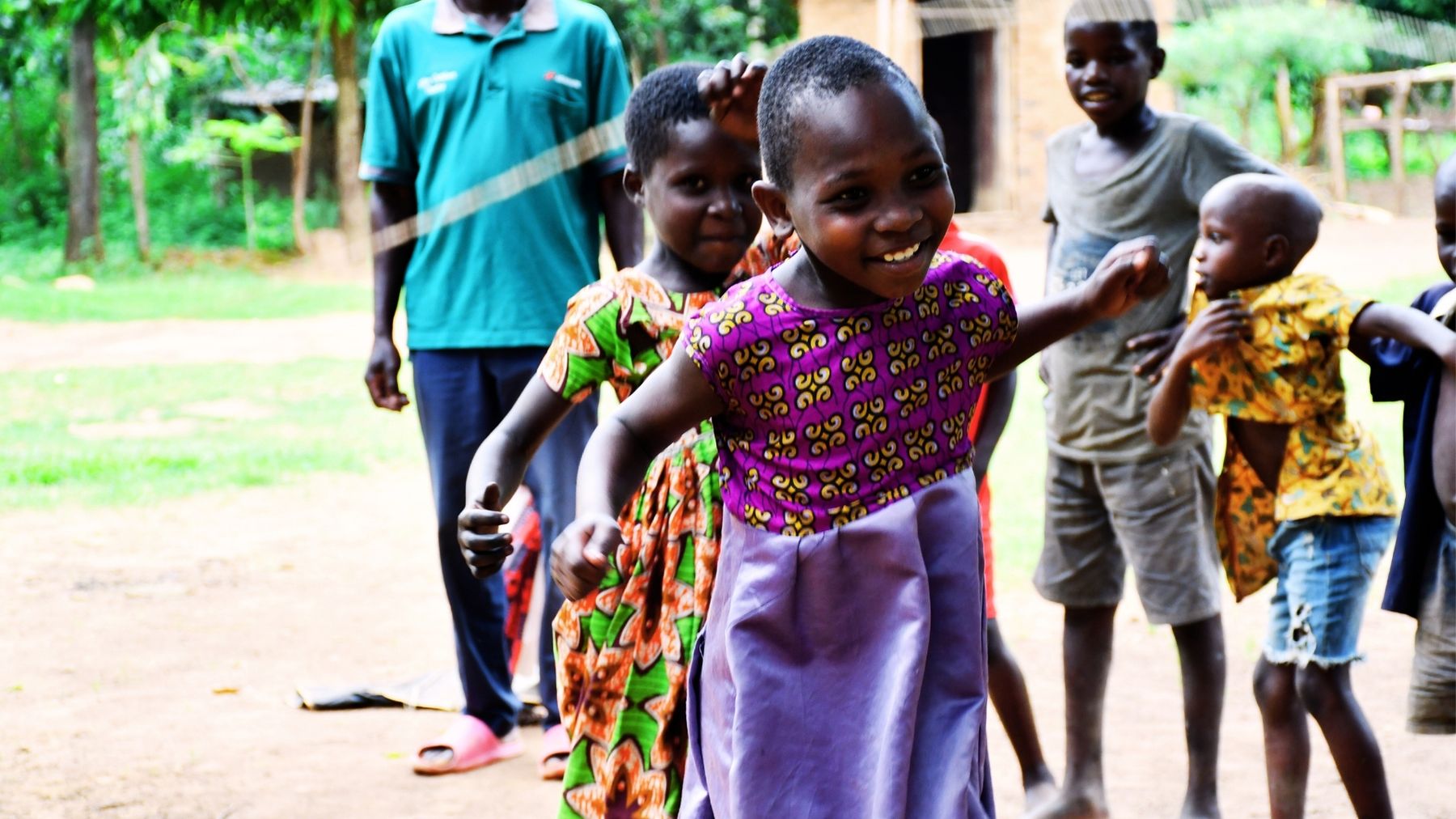
Inspired by a community-based model for collective problem-solving, the Nyumba Kumi Educational Groups project (2021–2023) mobilized clusters of 10 households to support children’s learning during and after pandemic lockdowns. Funded by Schoeck Familien-Stiftung and Somero e.V., the initiative blended local ingenuity with structured education to keep vulnerable children engaged.
Core Goals:
- Prevent school dropouts and child exploitation during closures.
- Empower parents to support home-based learning.
- Strengthen community-led child protection systems.
How It Works
The project’s success hinged on collaboration:
- Neighborhood Learning Groups:
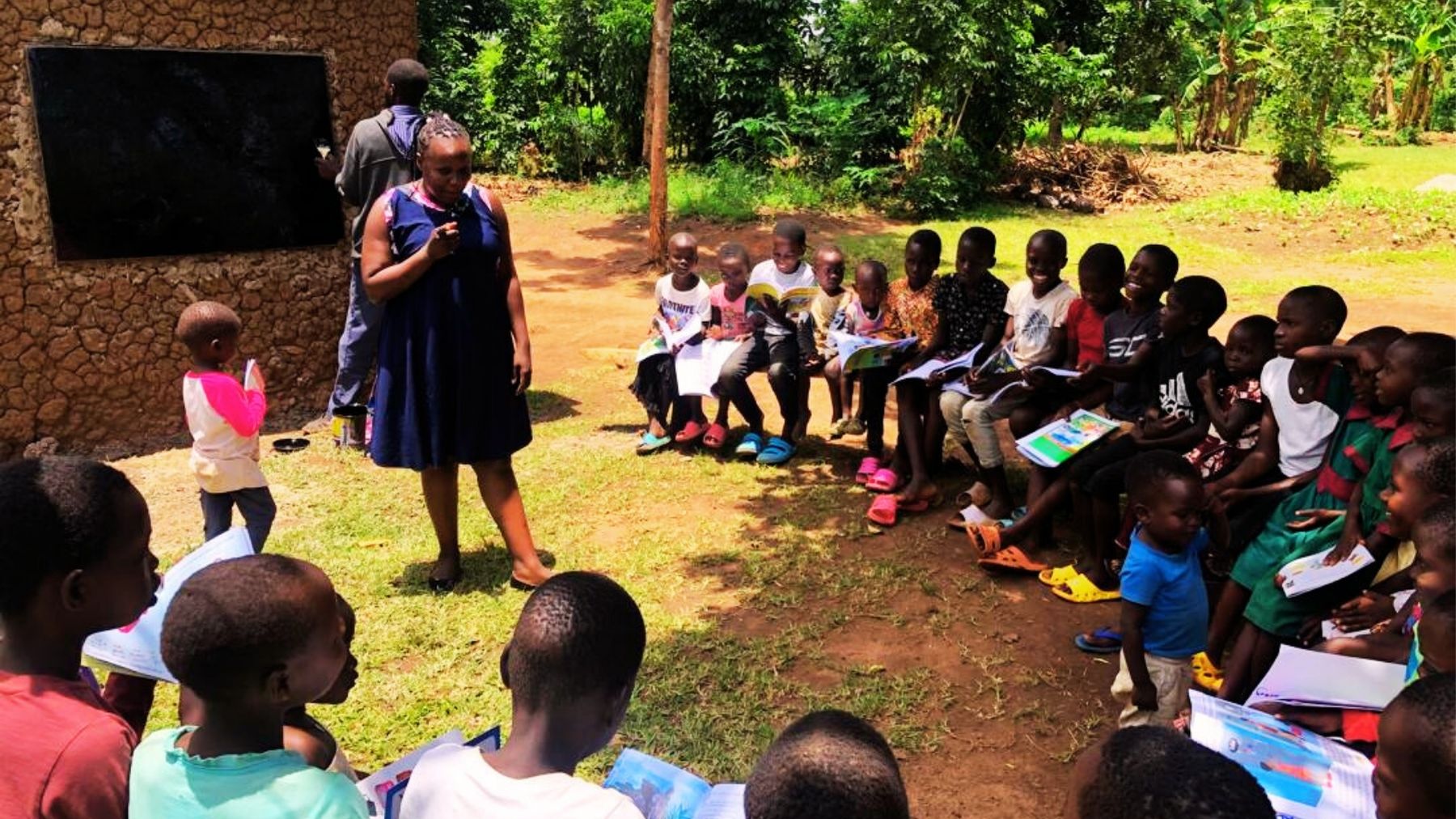
Children gathered in small, safe groups led by trained community volunteers. Lessons focused on literacy, numeracy, and life skills, using materials distributed by Somero. - Parent Training:
300 parents learned income-generating skills (e.g., liquid soap making, piggery) to sustain their families and fund education. - Community Libraries:
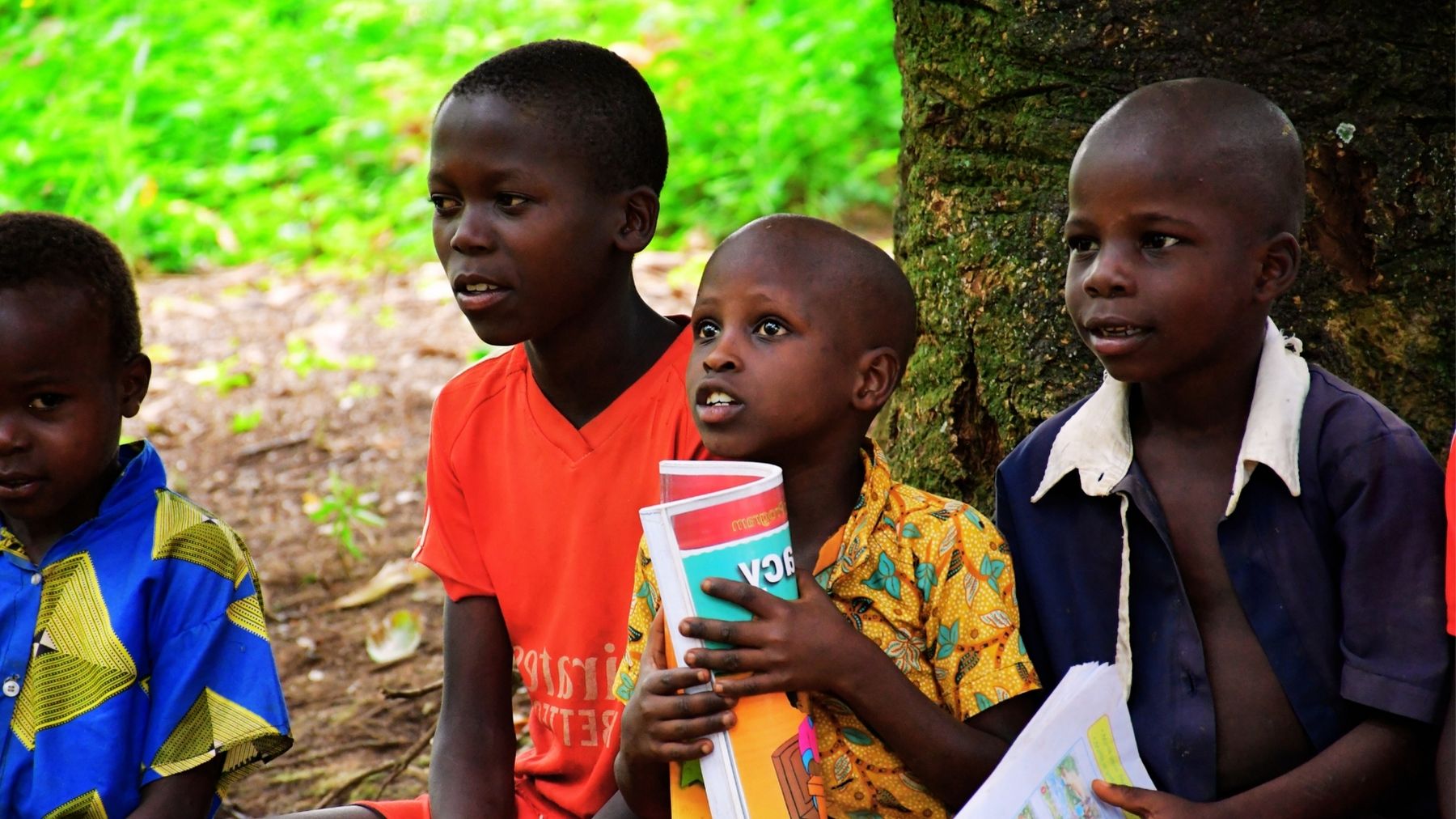
Established in Sikuda and Buteba sub-counties, these hubs provided books, solar lamps, and tablets for digital learning. - Advocacy for Safe Schools:
Parents and children campaigned for improved sanitation, menstrual hygiene facilities, and child protection policies.
Impact: Stories of Resilience
Maria’s Breakthrough:
Maria, a 12-year-old from Sikuda, nearly dropped out after her parents lost income during the pandemic. Through Nyumba Kumi, she joined a learning group, accessed a community library, and later scored top marks in her Primary Leaving Exams. “This library became my second home,” she says.
By the Numbers:
- 400 Children Reached: Engaged in learning groups and libraries.
- 300 Parents Trained: In skills like bakery and tailoring to support education costs.
- 85% School Retention: Children who resumed formal schooling post-lockdown.
- Child Protection Ordinance Approved: A direct outcome of community advocacy.
Why Community-Driven Learning?
In Uganda, where 60% of households lack resources for remote learning (UBOS 2020), Nyumba Kumi’s hyper-local approach:
- Builds Trust: Neighbors hold each other accountable for children’s safety and progress.
- Sustains Impact: Parents became advocates, lobbying for better schools and policies.
- Fights Exploitation: Idle children are targets for labor or early marriage; learning groups reduced these risks.
The Road Ahead
Building on Nyumba Kumi’s success, Somero Uganda plans to:
- Expand community libraries to 5 new districts by 2025.
- Integrate digital learning tools for offline access to national curricula.
- Train 500 more parents as “Education Champions.”
Join the Movement
Education is a collective responsibility. Support Nyumba Kumi to ensure no child is left behind—even when classrooms close.